
Spray Pyrolysis Equipment for Thin-Film Research Laboratories in Germany
Two laboratories can use the same precursor chemistry, the same substrate, and even the same published methodology—yet achieve very different thin-film results. Most thin-film research challenges do not originate from material selection, they originate from process control. Depositing a film once is rarely the challenge, reproducing the same result consistently across multiple researchers, experiments, and project cycles is where research equipment proves its value.
That is why experienced research groups evaluate spray pyrolysis equipment differently from first-time buyers. They focus less on feature lists and more on reproducibility, process flexibility, and long-term research value. For universities, research institutes, and advanced materials laboratories across Germany, selecting the right spray pyrolysis equipment Germany researchers can rely on is often a critical factor in achieving reproducible thin-film results.
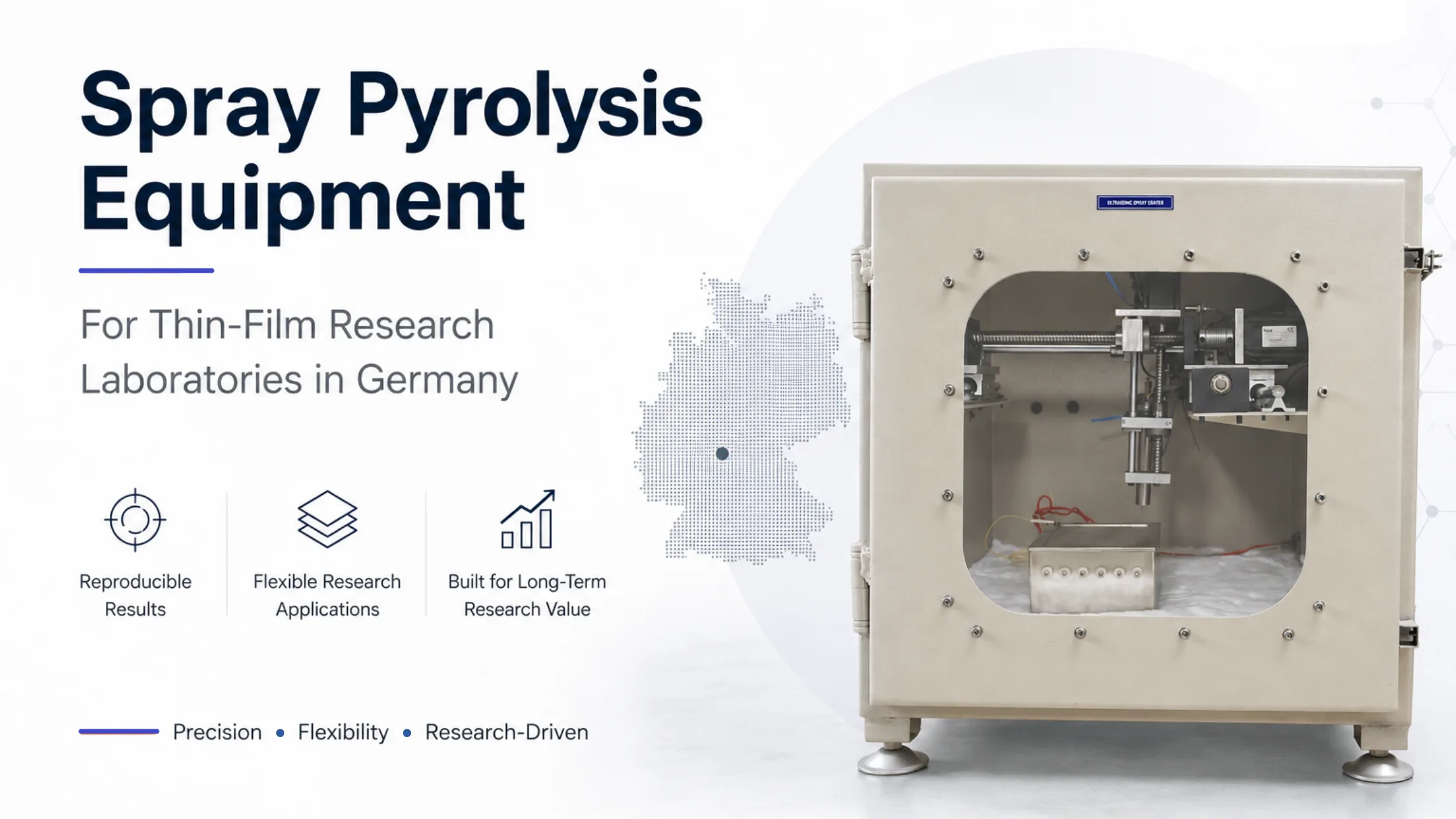
What Is Spray Pyrolysis Equipment? Spray pyrolysis equipment is a thin-film deposition system that atomizes a precursor solution and deposits it onto a heated substrate, where thermal decomposition forms a functional material layer.
The Real Cost of a Poor Equipment Decision
Most procurement discussions begin with equipment pricing, and most research groups later discover that the equipment itself was not the expensive part. The larger costs often include:
- Months spent troubleshooting inconsistent results
- Delays in publication timelines
- Repeated experimental runs
- Difficult process transfer between researchers
- Equipment limitations that restrict future projects
A spray pyrolysis system may remain in a laboratory for years, while individual research projects often last only months. The cost of selecting an inflexible platform frequently exceeds the initial purchase price. This is particularly relevant for grant-funded projects, doctoral research programs, and collaborative research initiatives where repeatability directly influences outcomes.
What Researchers Typically Look For in Spray Pyrolysis Equipment
When evaluating spray pyrolysis equipment in Germany, research groups commonly compare:
- Substrate temperature control
- Spray uniformity
- Process repeatability
- Material flexibility
- Ease of parameter optimization
- Long-term research adaptability
The NTPY01 platform is designed around these research requirements rather than a single application workflow.
Why Spray Pyrolysis Continues to Be Relevant in Advanced Materials Research
Research laboratories today have access to numerous thin-film deposition techniques, including sputtering, thermal evaporation, spin coating, dip coating, and chemical vapor deposition. Despite these alternatives, spray pyrolysis remains widely used because it offers a practical balance between flexibility, accessibility, and process development capability. Researchers frequently select spray pyrolysis when they need:
- Broad material compatibility
- Flexible precursor chemistry
- Large-area deposition capability
- Rapid process iteration
- Scalable thin-film development workflows
- Cost-effective experimental investigation
For many groups evaluating thin film coating equipment Germany suppliers, process flexibility often creates more long-term value than maximum automation.
Research Applications Commonly Supported by Spray Pyrolysis
Modern laboratory spray pyrolysis equipment is used across multiple research disciplines because it allows controlled investigation of functional thin films and coating processes.
A. Transparent Conductive Oxides
Spray pyrolysis is widely used for the investigation of transparent conductive oxide materials including ZnO, Aluminium-doped ZnO (AZO), SnO₂, and related conductive oxide systems. These materials are frequently studied for photovoltaic devices, transparent electronics, sensors, and optoelectronic applications.
B. Titanium Dioxide Thin Films
TiO₂ remains one of the most researched functional materials because of its role in Photocatalysis, Dye-sensitized solar cells, Surface engineering, and Functional coatings. Successful deposition often depends heavily on temperature stability and process control.
C. Gas Sensor Development
Researchers developing metal oxide gas sensors frequently investigate ZnO sensing layers, SnO₂ thin films, Composite oxide structures, and Nanostructured sensing materials. In these applications, repeatability often becomes more important than throughput.
D. Perovskite and Energy Materials Research
Spray pyrolysis is also used during the development of Electron transport layers, Functional oxide coatings, Energy conversion materials, and Advanced thin-film architectures. As research priorities evolve, flexibility across multiple material systems becomes increasingly important.
How German Research Laboratories Evaluate Spray Pyrolysis Equipment
Germany hosts some of Europe’s most active research ecosystems through universities, applied research institutes, and industrial R&D centers. Organizations such as Fraunhofer Society, Helmholtz Association, Max Planck Society have helped establish high expectations around experimental reproducibility, documentation, and process validation. When evaluating a spray pyrolysis system German laboratories operating in these environments are often expected to generate reproducible results suitable for publication, technology transfer, and collaborative research programs. As a result, equipment evaluation frequently focuses on repeatability, documentation quality, and long-term research flexibility rather than feature count alone.
The most important evaluation criteria generally include:
| Research Requirement | Why It Matters |
|---|---|
| Process Repeatability | Supports publication-quality research and reproducible experiments |
| Temperature Stability | Directly affects film formation and material properties |
| Spray Consistency | Improves coating uniformity and experimental reliability |
| Material Compatibility | Enables investigation of multiple material systems |
| Research Flexibility | Allows adaptation to future projects and grant requirements |
| Expandability | Protects long-term equipment investment |
| Ease of Parameter Control | Accelerates process development and optimization |
Experienced researchers understand that repeatability often creates more scientific value than additional features.
A Common Mistake When Selecting Spray Pyrolysis Equipment
A common mistake is selecting a spray pyrolysis machine in Germany for a single project rather than choosing a platform that can support future research programs. Because research rarely remains static, for example a laboratory studying ZnO thin films today may investigate perovskites, sensing materials, photocatalysts, or energy storage applications tomorrow. Hence equipment optimized for a single application can quickly become restrictive. Research groups that consistently produce high-quality output often prioritize flexibility, allowing the same platform to support multiple material systems and future investigations.
Why Research Flexibility Often Matters More Than Feature Count
When evaluating spray pyrolysis systems, less experienced buyers often compare:
- Maximum temperature
- Automation claims
- Feature lists
- Marketing specifications
More experienced laboratories typically ask different questions:
- Can researchers reproduce results consistently?
- Can new students learn the system efficiently?
- Can the platform support future research directions?
- Will the system remain useful beyond the current grant cycle?
These questions usually have a greater impact on long-term research productivity.
Spray Pyrolysis vs Alternative Thin-Film Deposition Methods
Researchers comparing thin film deposition equipment Germany suppliers frequently evaluate spray pyrolysis alongside sputtering, spin coating, dip coating, and thermal evaporation systems.
| Method | Common Research Advantage |
|---|---|
| Spray Pyrolysis | Flexible process development and broad material compatibility |
| Spin Coating | High uniformity on small substrates |
| Dip Coating | Simplicity and low infrastructure requirements |
| Thermal Evaporation | High-purity vacuum deposition |
| Sputtering | Advanced industrial-grade coatings |
There is no universally superior deposition technique, and the appropriate choice depends on the objectives of the research program and the materials being investigated.
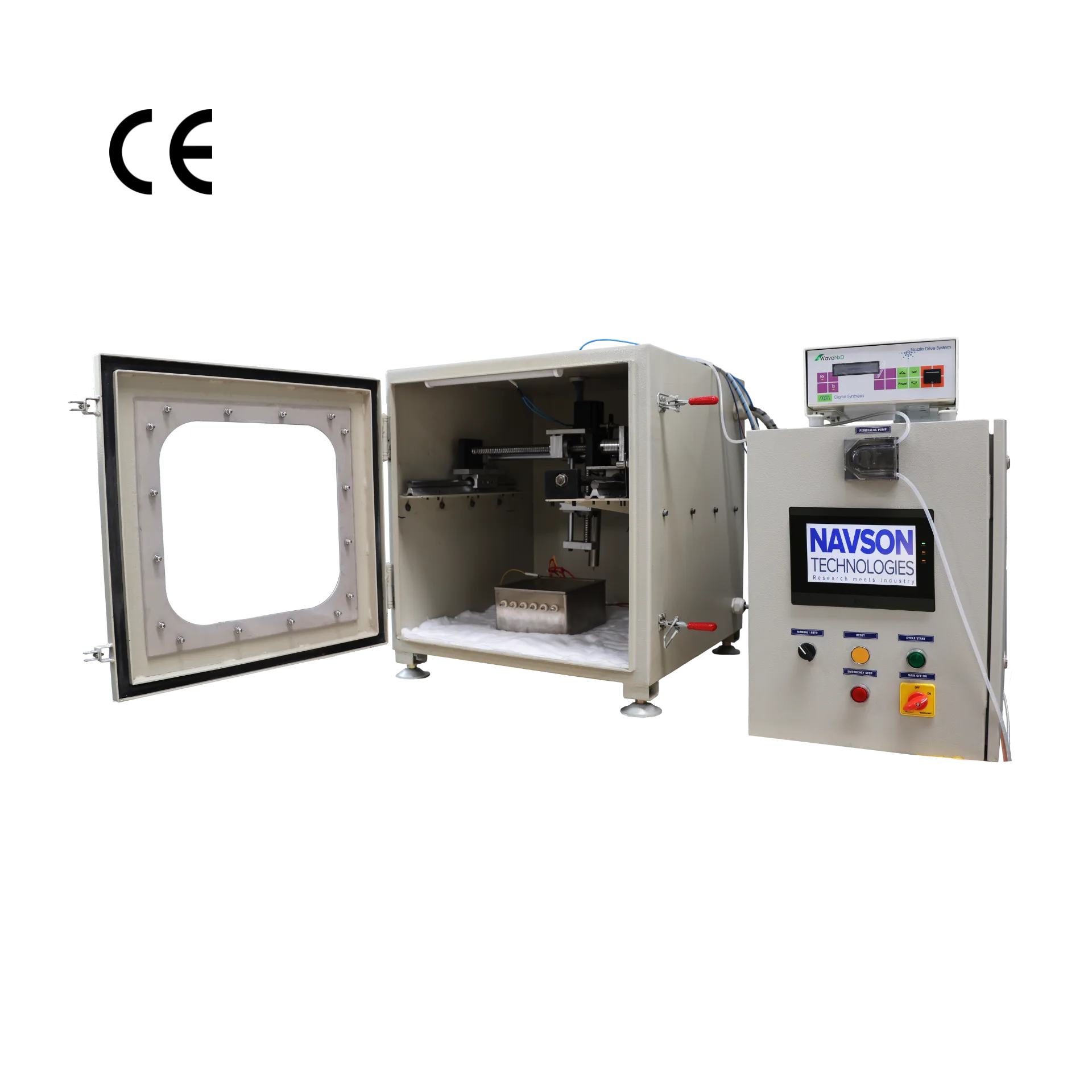
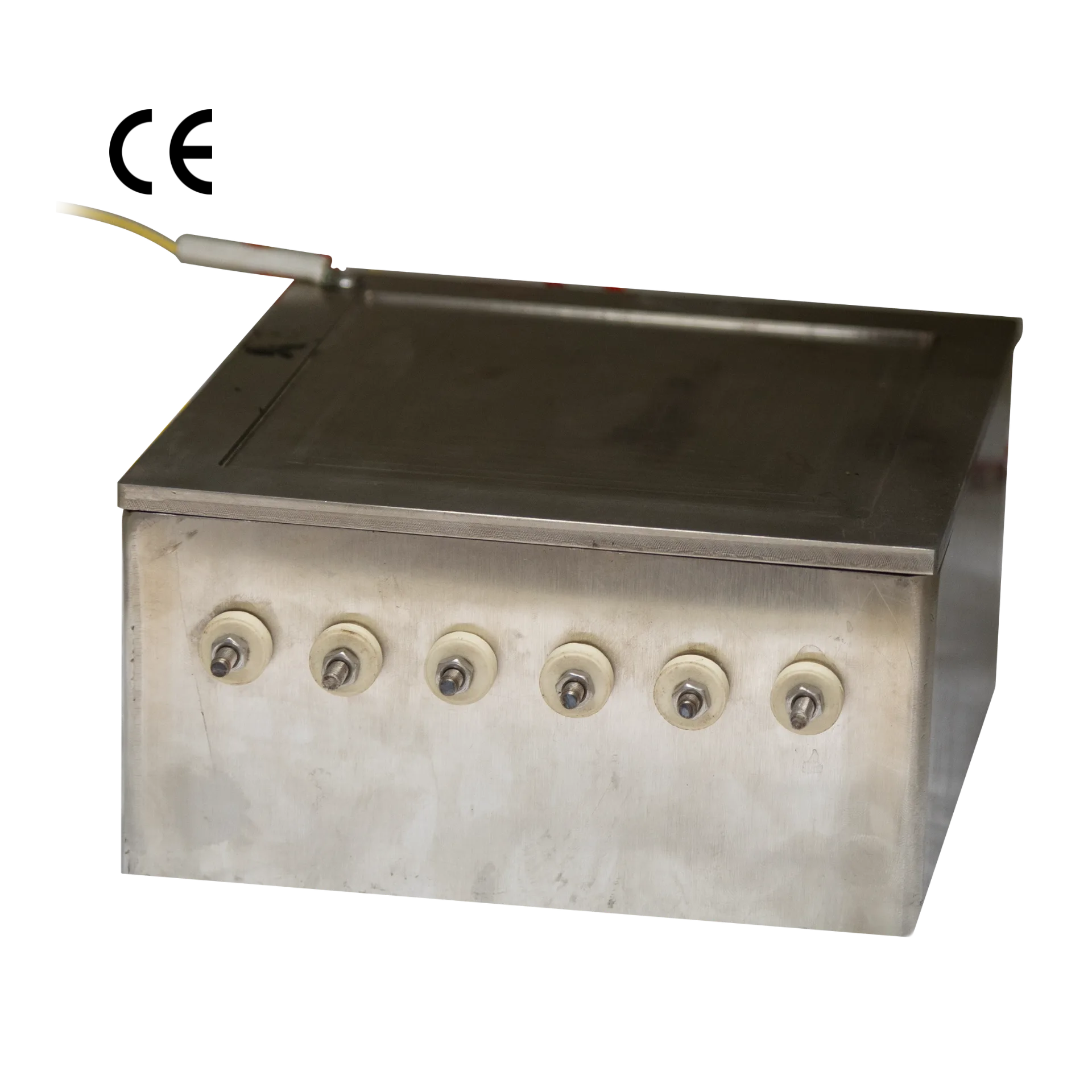
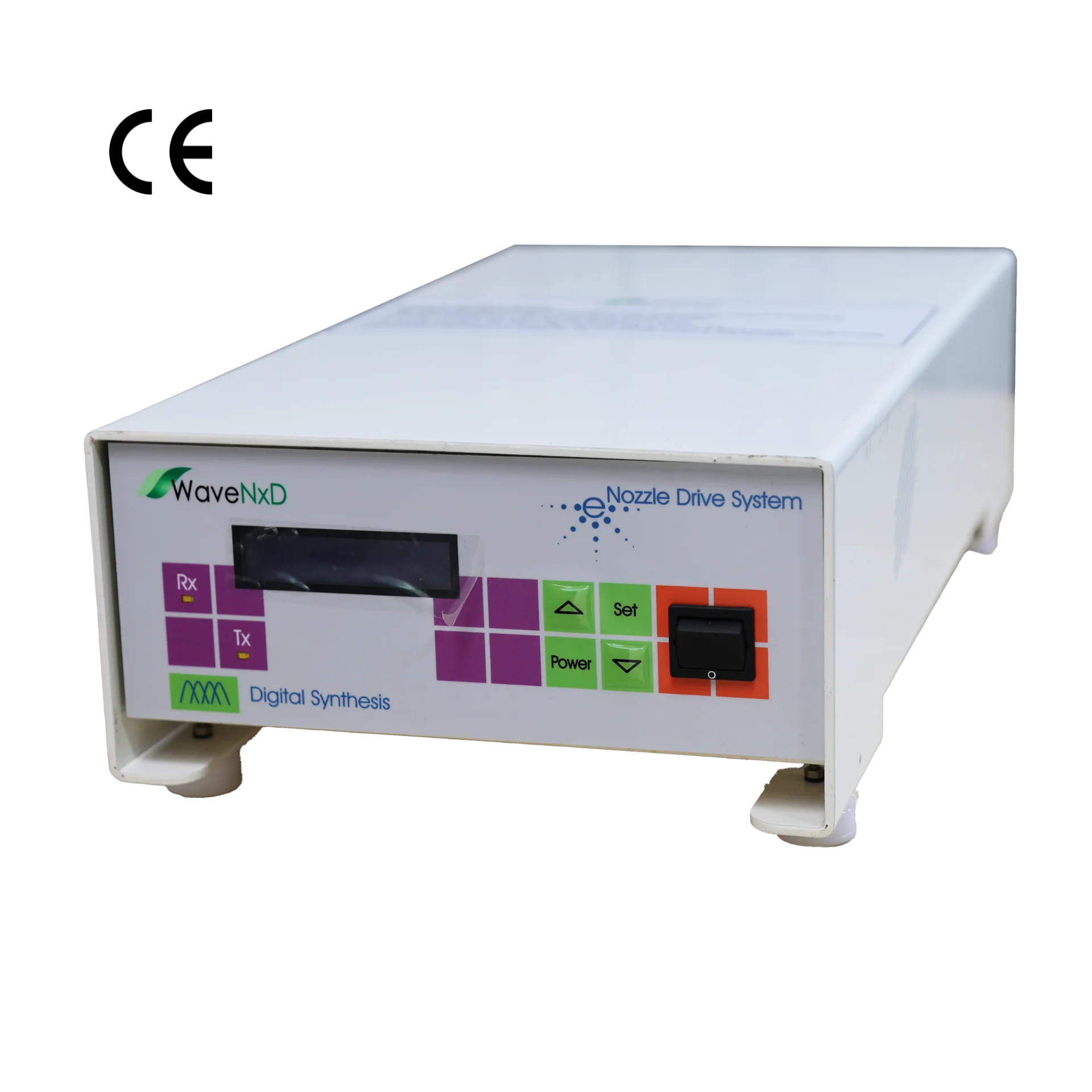
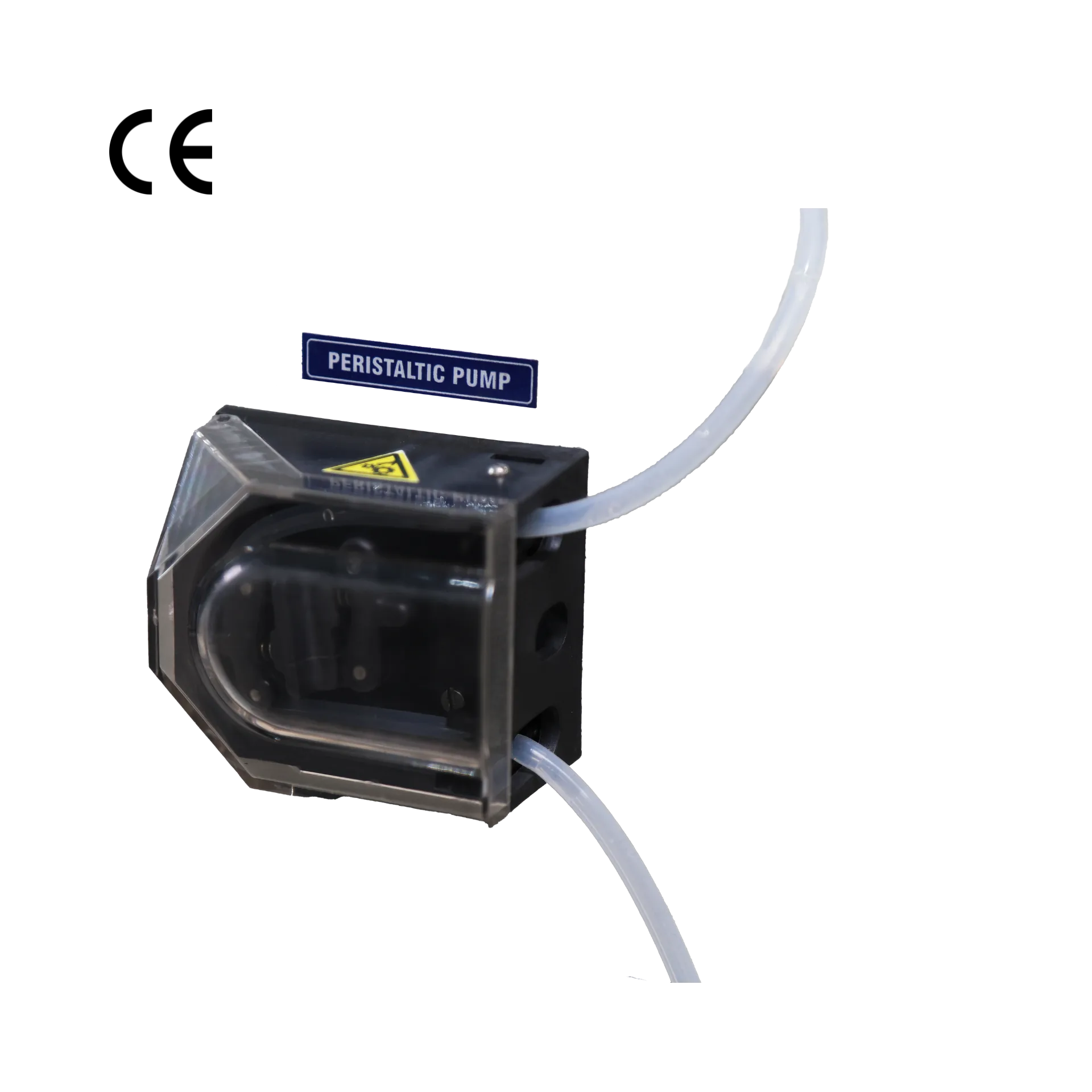
NTPY01 Spray Pyrolysis System
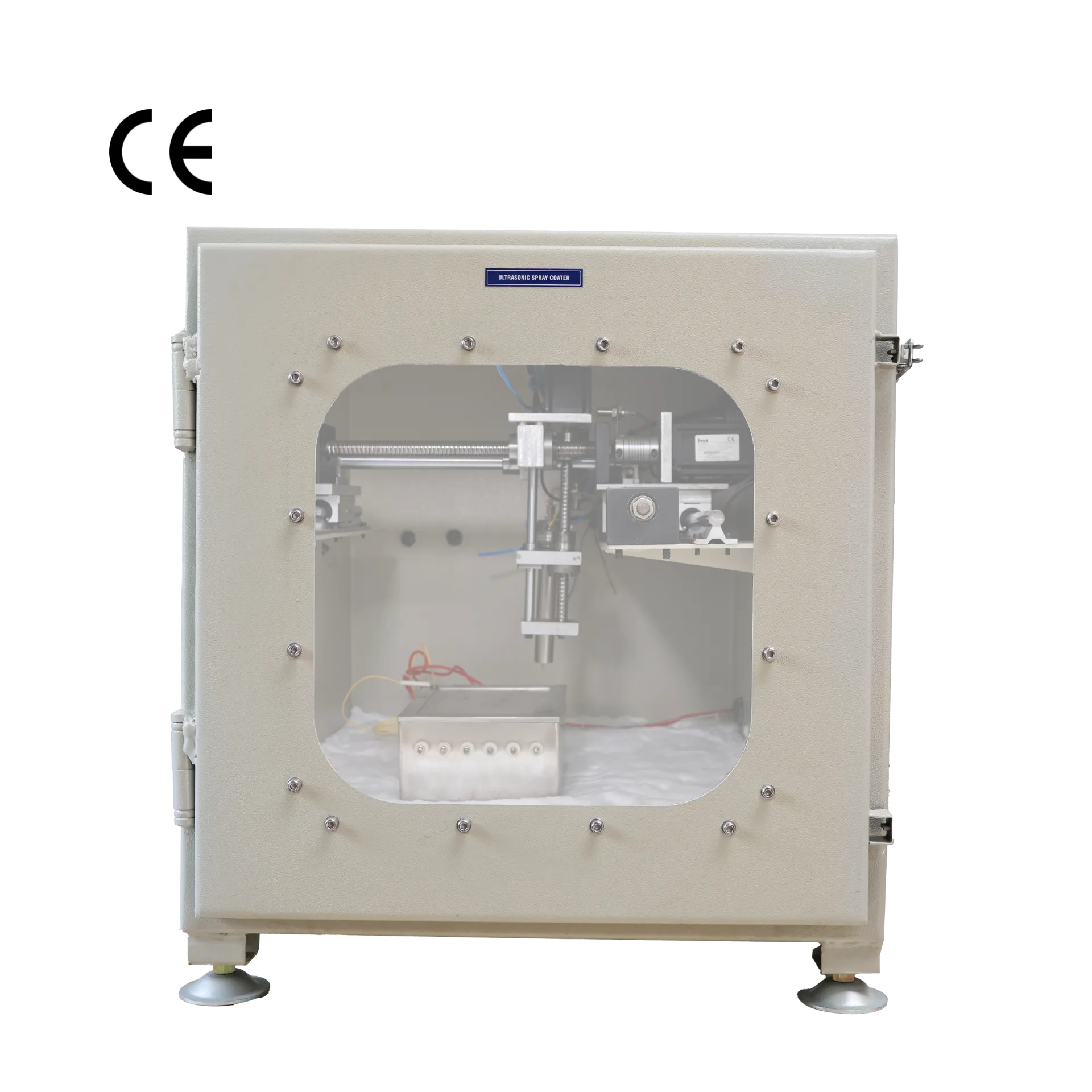
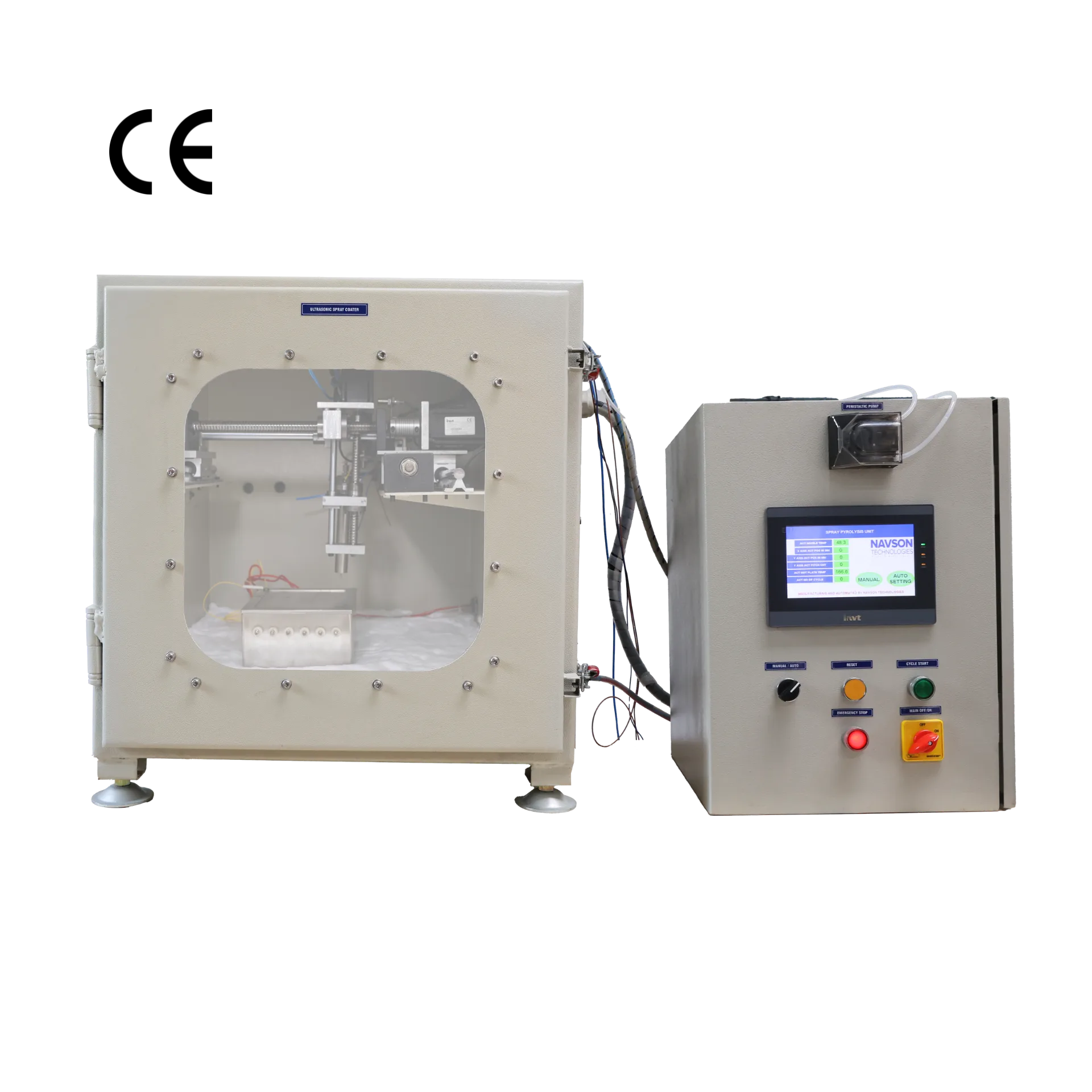
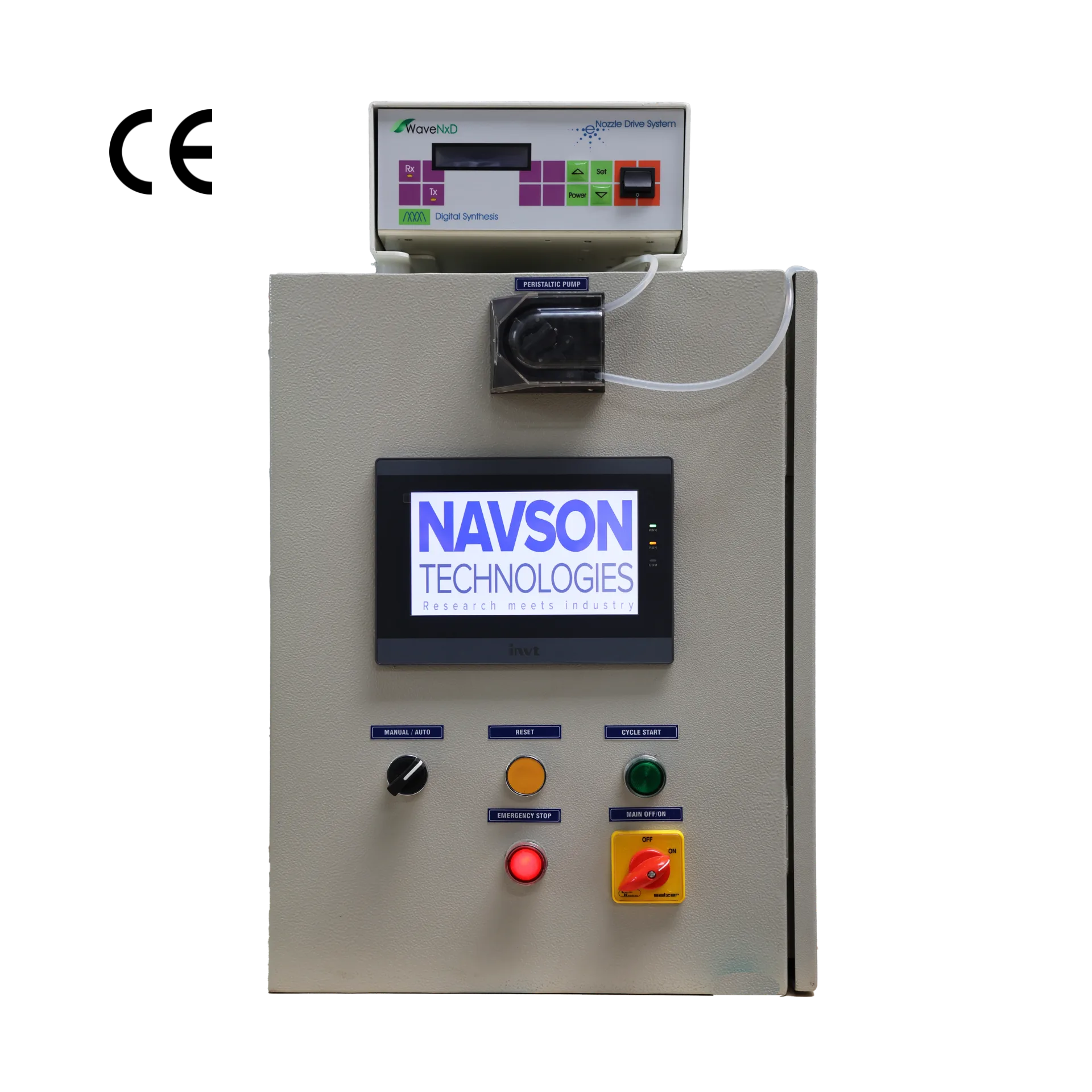
The NTPY01 is a spray pyrolysis system for research laboratories requiring flexibility across multiple thin-film deposition projects, advanced materials development, and process optimization. Rather than focusing on a single application area, the platform supports process development across a wide range of thin-film research activities. Thus researchers can investigate new material systems, optimize deposition parameters, and adapt workflows as projects evolve. For many laboratories, this adaptability creates more value than narrowly application-specific equipment.
Typical users include:
- University materials science laboratories
- Thin-film research groups
- Energy materials researchers
- Semiconductor R&D teams
- Government research institutes
- Functional coatings researchers
Explore the NTPY01 Spray Pyrolysis System for detailed specifications and configuration options.
Research Areas Where Navson Equipment Has Supported Published Work
Scientific equipment ultimately earns credibility through research use and Navson systems have supported research activities across multiple advanced materials domains, including:
- Dye-sensitized solar cells (DSSC)
- MXene-based materials
- Electronic and memory devices
- Nanocrystal development
- Memristor development
- Biomolecule sensing
- Functional thin films
- Advanced coatings
Researchers interested in evaluating published work associated with Navson equipment can review the publications section.
View Publications and Research References
Frequently Asked Questions
Spray pyrolysis equipment is used for depositing thin films and functional coatings by atomizing a precursor solution and directing it onto a heated substrate where thermal decomposition forms the desired material layer.
Researchers commonly investigate ZnO, SnO₂, TiO₂, AZO, perovskite-related materials, sensing layers, photocatalytic materials, and other functional oxide systems.
Yes. Spray pyrolysis is widely used in photovoltaic research for developing transport layers, oxide coatings, and functional thin-film structures.
Spin coating is often preferred for highly uniform coatings on smaller substrates, while spray pyrolysis provides greater flexibility for larger-area deposition and scalable process development.
Research institutions typically assess repeatability, technical capability, flexibility, long-term support, and evidence of successful research applications.
Important considerations include temperature stability, process repeatability, deposition control, expandability, material compatibility, and suitability for future research programs.
Yes. Spray pyrolysis equipment in German research groups today continues to support a wide range of thin-film deposition projects in photovoltaics, sensors, nanomaterials, and advanced coatings.
Pricing depends on substrate size, temperature requirements, automation level, and application-specific configurations. Research systems are typically specified based on experimental requirements rather than standardized packages.
Compare temperature stability, process repeatability, material compatibility, expandability, technical support, and suitability for your research objectives. Purchase price alone rarely predicts long-term research value.
Many research groups require modifications involving substrate dimensions, heating requirements, precursor delivery, or experimental workflows. System flexibility often becomes important as projects evolve.
Supporting Research and Industry Resources
Researchers exploring thin-film deposition technologies may find the following resources useful:
- Fraunhofer materials and energy research programs
- Helmholtz research initiatives in advanced materials
- Publications focused on thin-film deposition and functional coatings
- Peer-reviewed studies involving spray pyrolysis and solution-processed thin films
These resources help researchers evaluate deposition methods, material systems, and experimental approaches within broader research contexts.
Evaluating Spray Pyrolysis Equipment for Your Research Program?
If your laboratory is comparing spray pyrolysis systems for:
- ZnO thin films
- TiO₂ coatings
- Perovskite research
- Sensor materials
- Energy materials
- Functional oxide deposition
share your application requirements with our engineering team.
We can help determine:
- appropriate substrate heating range
- spray configuration
- precursor delivery requirements
- substrate size compatibility
- future upgrade considerations